

Winter is here, and if you’ve noticed that your doorbell camera keeps freezing, you’re not alone. This issue affects thousands of security systems every winter. When your doorbell camera lens freezes over, it defeats the entire purpose of having a home security system. You can’t see package deliveries, monitor visitors, or catch porch pirates when ice crystals block your view.
We have good news! You don’t need expensive equipment or professional help to fix a frozen doorbell camera. This guide shares six proven methods to prevent doorbell camera fogging and frosting, so your home security works flawlessly all winter long.
Table of Contents
Why Does My Doorbell Camera Keep Freezing?
Your doorbell camera keeps freezing because the air has a high moisture content, while the device has a low surface temperature. When the air temperature reaches the dew point, water vapor condenses to become a water droplet. If the temperature drops below 0 °C or 32 Fahrenheit, dew solidifies into ice crystals.
High humidity makes the problem worse. If you live in a climate with cold, damp winters, you’re especially likely to experience doorbell camera condensation and freezing.
Struggling with getting decent home surveillance because of the cold? Find out how the cold weather affects security cameras and what you can do about it.
6 Ways to Stop Your Doorbell Camera from Freezing
It’s all well and good knowing why doorbell cameras are sometimes subject to frost and fog, but how do you deal with it? Learn how to prevent frozen security cameras with these five clever tricks.
1. Improve Your Security Camera Placement (The Most Important Step)
Proper doorbell camera installation is your best defense against winter fog and frost. Strategic placement can eliminate freezing issues before they start. Unfortunately, it’s not often as straightforward as positioning other smart home technologies. After all, security cameras often need to be outdoors. Follow these doorbell camera placement tips:
- Choose morning sun exposure: Install your video doorbell where it receives direct morning sunlight. Early sunshine evaporates overnight condensation before it can freeze, naturally defrosting your camera lens.
- Avoid shaded areas: North-facing walls and heavily shaded spots stay cold longer, increasing frost formation on your doorbell camera.
- Keep distance from HVAC systems: Position your doorbell camera away from dryer vents, air conditioning units, and heating exhausts. These appliances create warm, humid air that causes heavy condensation when it hits your cold camera lens.
- Stay away from water sources: Keep your security camera away from sprinkler systems, gutters, pooled water, and drainage areas. Excess moisture in these locations dramatically increases fogging and freezing risk.
- Utilize overhangs and eaves: If possible, install your video doorbell under a protective overhang or porch roof. This shields it from direct rain, snow, and freezing precipitation while still maintaining a clear view.
2. Use Silica Gel Packets or Rice to Remove Internal Moisture
If you notice fog inside your doorbell camera lens (not just on the outside), internal moisture is the problem. Water inside electronics causes permanent damage if not addressed quickly. Here’s how to dry out a foggy doorbell camera:
- Check the severity: Remove your doorbell camera and inspect it. Minor internal fog with just a few moisture specks can be gently wiped with a soft, lint-free cloth or tissue.
- For significant fogging: During severe winter weather, bring your video doorbell indoors to dry completely. Water and electronics aren’t buddies. Prolonged contact with moisture causes irreparable damage.
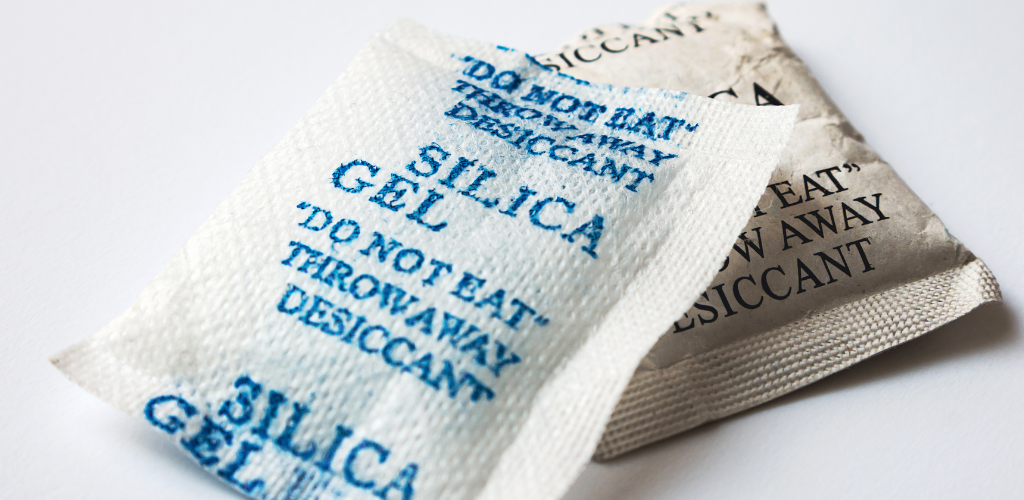
- Use desiccants: Place your video doorbell camera in a large Ziploc bag filled with silica gel packets (those small packets that come with shoes and electronics). Silica gel absorbs moisture trapped inside your device.
- Alternative method: No silica packets? Bury your security camera in a bowl of uncooked white rice for 24-48 hours. Rice acts as a natural desiccant, drawing out internal moisture.
Pro tip 💡: Never use heat sources like hair dryers to speed up drying. Rapid temperature changes can crack the lens and damage internal components of your Ring or Nest doorbell.
3. Improve Water Resistance with Weatherproofing Products
Most outdoor doorbell cameras have IP65 weather resistance ratings, meaning they’re protected from dust and water spray, but not submersion. Winter conditions with freezing rain, snow, and ice can overwhelm standard weather resistance, so they need adequate ingress protection.
If concerned your doorbell camera isn’t sufficiently waterproof, try applying Rain-X or similar water-repellent products. These solutions create a waterproof coating on the casing of the camera, making the surface too slippery for water molecules to stay on.
‘I had this issue with my doorbell. Condensation would get on the lens and make it useless. I emailed support, they told me to spray it with RainX.’
Charlesw2506 (Reddit user)
Wrapping a silicone sleeve around the doorbell camera is another great way to increase weatherproofing. Weatherproof silicone covers add an extra layer of protection to your video doorbell. Like wearing a winter jacket, these sleeves prevent moisture infiltration while stabilizing the device’s surface temperature to reduce condensation.
Inspect the rubber gaskets and seals on your doorbell regularly. Cracked or worn seals allow moisture inside, leading to internal fogging that’s much harder to fix.
4. Apply Anti-Fog Coating to Your Camera Lens
Applying an anti-fogging coating onto doorbell camera glass stops frost development by preventing surface moisture accumulation. These coatings are the same technology used on eyeglasses, car windshields, and diving masks.
There are two types of anti-fog coating: hydrophobic and hydrophilic. What’s the difference?
| Hydrophobic | Hydrophilic | |
| Action | Repels or pushes water molecules away | Attracts or pulls water molecules closer |
| Water droplet-surface angle requirement | Greater than 90 degrees | 90 degrees or less |
| Expected effects | Prevents water molecules from sticking to the surface | Prevents water molecules from breaking into tinier water globules, allowing for effortless wiping |
| Recommended applications | Suitable for preventing fogging on glass and non-plastic surfaces | Ideal for preventing fogging on plastic surfaces |
Applying aftermarket coatings may void your camera warranty. Check your warranty terms before applying anti-fog products, or contact customer support for approved solutions.
5. Install Heat Trace Tape to Warm Your Doorbell Camera
When winter temperatures consistently stay below freezing, sometimes you need to add heat. Heat trace tape (also called heating cable) is a low-wattage electric heating element that keeps surfaces above freezing temperature.
Try wrapping heat tape around your video doorbell housing, gently warming the device just enough to prevent condensation and frost formation. The warmth will keep the surface temperature above the dew point, so moisture never condenses in the first place.
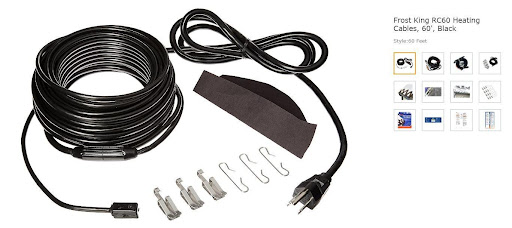
One Reddit user inserted the ultra-flexible heat trace tape inside the doorbell camera enclosure to “warm” the interior. It increased surface temperature and prevented condensation, saving the device from frosting.
“You can get not very expensive kits containing a length of heated tape and a thermostat, known as “trace heating.” Wrapping some of that round the camera and lens is one way to do it – even better is it’s inside an enclosure. It uses power but not too much. Mine takes 12W per meter when it’s on.”
anomalous-cowherd (Reddit user)
Safety note: Only use heating elements rated for outdoor electronics. Never use high-wattage heating tape meant for pipes, as excessive heat can damage your Ring or Nest doorbell camera.
5. Monitor Battery Temperature and Charge Levels
Cold weather doesn’t just cause fog; it also drains doorbell camera batteries faster. Lithium-ion batteries lose efficiency in freezing temperatures. A well-charged, warm battery maintains better overall device temperature.
When your doorbell’s internal components stay warmer, the exterior surface temperature is slightly higher, reducing the temperature differential that causes condensation and frost formation. Additionally, a properly functioning battery ensures your doorbell can power any built-in heating elements or maintain optimal performance to process and clear condensation quickly.
FAQ
How do I keep frost off my security camera?
To stop doorbells from frosting, apply an anti-fog coating on it to prevent moisture from splitting into smaller droplets. Most of these products are hydrophobic (water-fearing), enabling them to repel water molecules from the doorbell’s surface.
Covering the doorbell with a sleeve also prevents condensation on its surface. Drying the doorbell with a microfiber cloth as frequently as possible will help stop it from frosting.
Defrosting or anti-ice spray is necessary for regular frosting of the doorbell.These products increase the temperature of the ice by dissolving the molecular bonds. Wipe off the excess moisture and apply an anti-fogging coating.
How to stop your doorbell cameras from freezing at night?
Covering the doorbell camera with a silicone sleeve or heat trace tape prevents condensation on its surface. Applying anti-fog coating products is also useful, but be aware of voiding any product warranties before doing so.
How do you keep a doorbell warm in the winter?
Doorbell camera manufacturers have specific recommendations for keeping their products warm in the winter. For example, Ring recommends bringing the doorbell indoors to recharge the battery. Recharging the device also increases its temperature, allowing it to function optimally in the winter.
Ring also advises monitoring the battery temperature and charge level. It should be 100% charged with a temperature higher than 36 degrees Fahrenheit.
Do doorbell cameras work in cold weather?
Doorbell cameras work in cold weather so long as the temperature isn’t below the device’s minimum operating threshold.
For example, Google’s Nest Doorbell has a minimum operating temperature of -4 degrees Fahrenheit. However, its battery requires at least 32 degrees Fahrenheit to charge efficiently.
What temperature can a doorbell withstand?
The temperature a doorbell can withstand differs across products. For example, Google’s Nest doorbell can withstand -4 degrees to 104 degrees Fahrenheit. On the other hand, a Ring doorbell might stop working if the temperature is lower than -5 degrees Fahrenheit or exceeds 120 degrees Fahrenheit.
Conclusion
You’ve invested in a video doorbell camera to protect your home and catch package thieves. Don’t let winter weather render your security system useless!
Positioning the device in the ideal location helps significantly, while applying an anti-fog coating, protecting it in a weatherproof enclosure, or using a heating tape aids in dealing with consistent fog or frost formation. Most homeowners find that combining two or three of these methods eliminates doorbell camera freezing.
With these proven solutions, your front door camera will provide crystal-clear footage all season long, no matter how cold it gets. This will allow you to continue using your smart home device, optimizing its many benefits.
Recommended reading: Make a Waterproof Camera Cover with This DIY Guide (9 Steps)